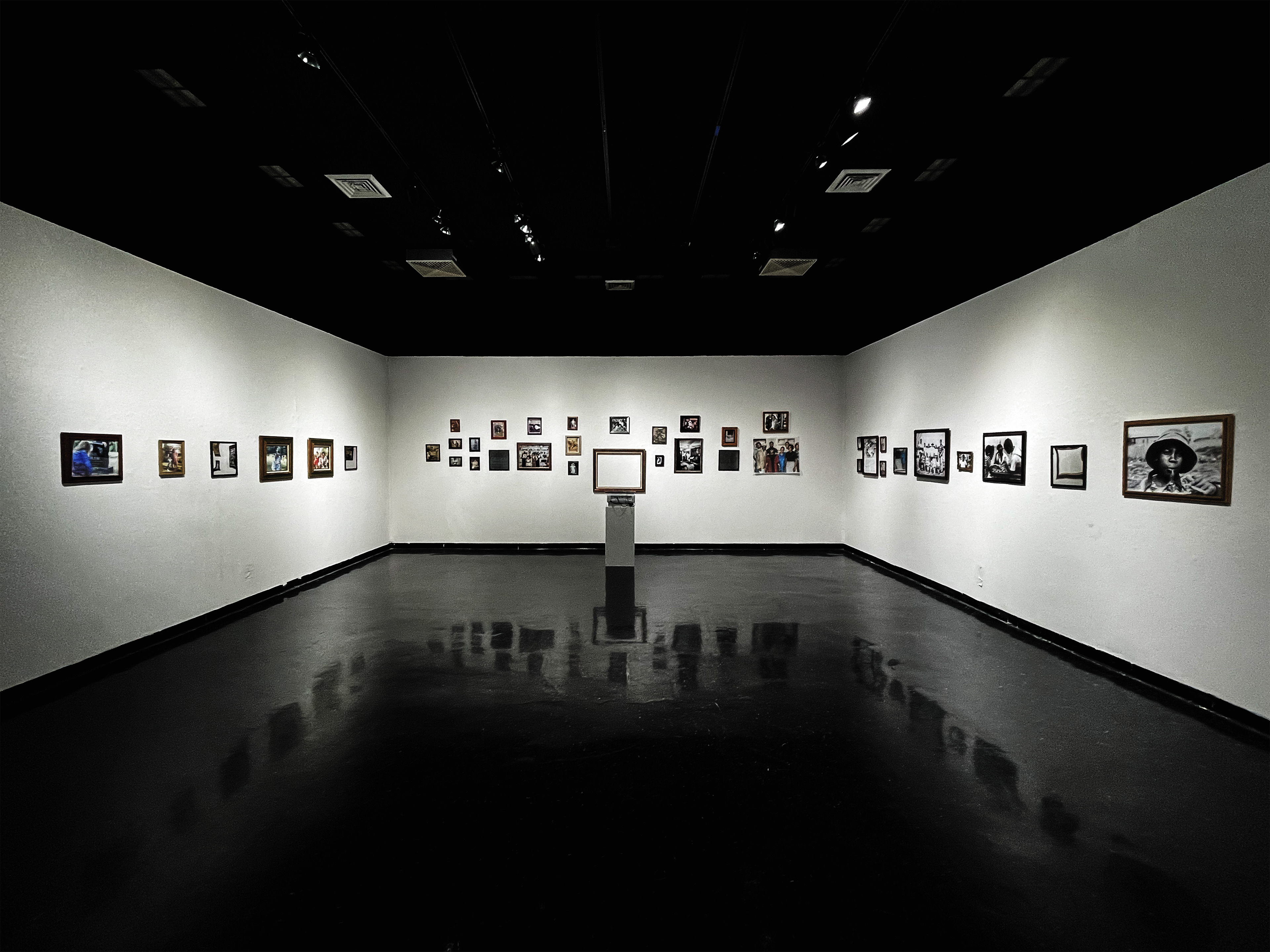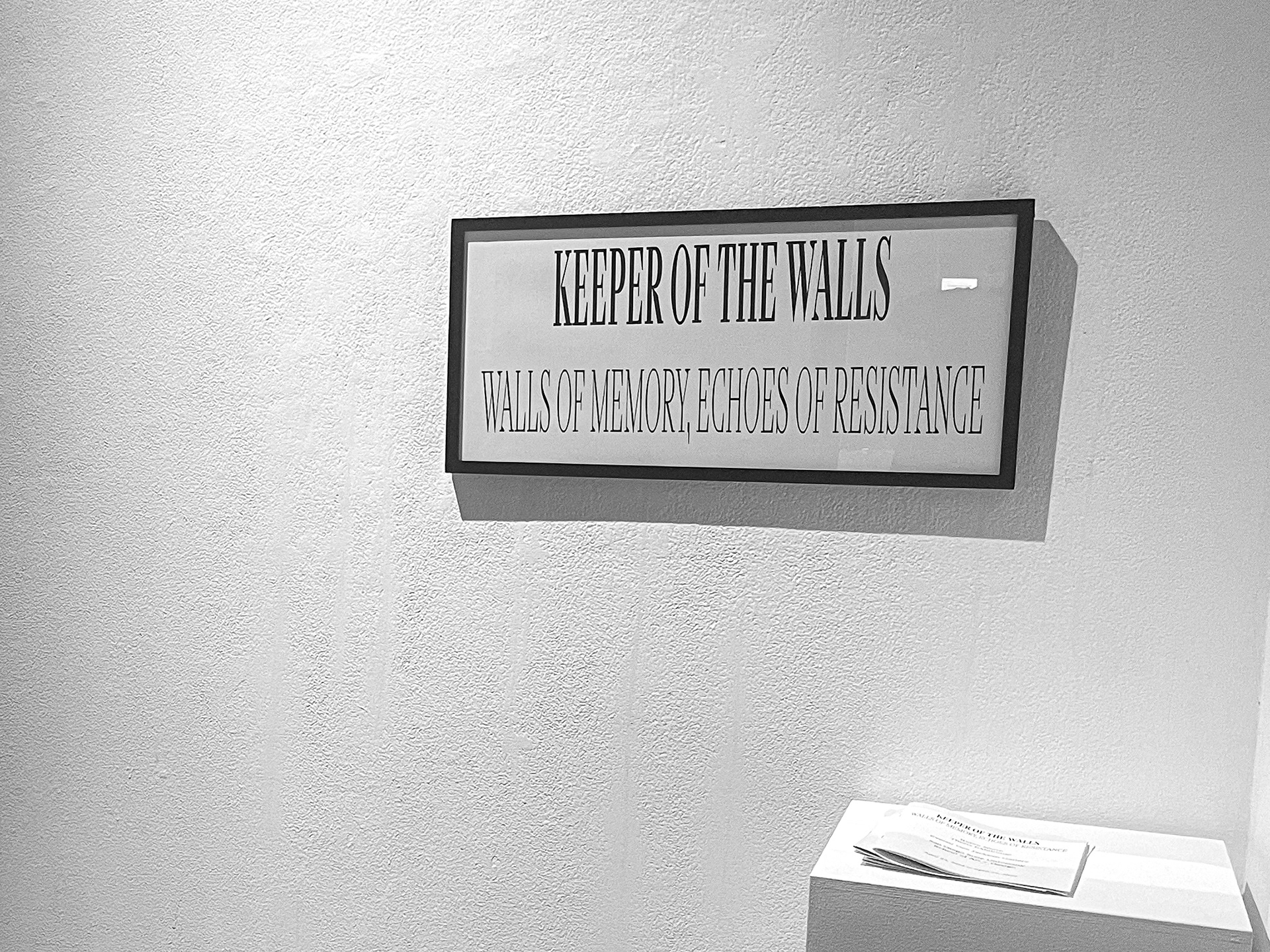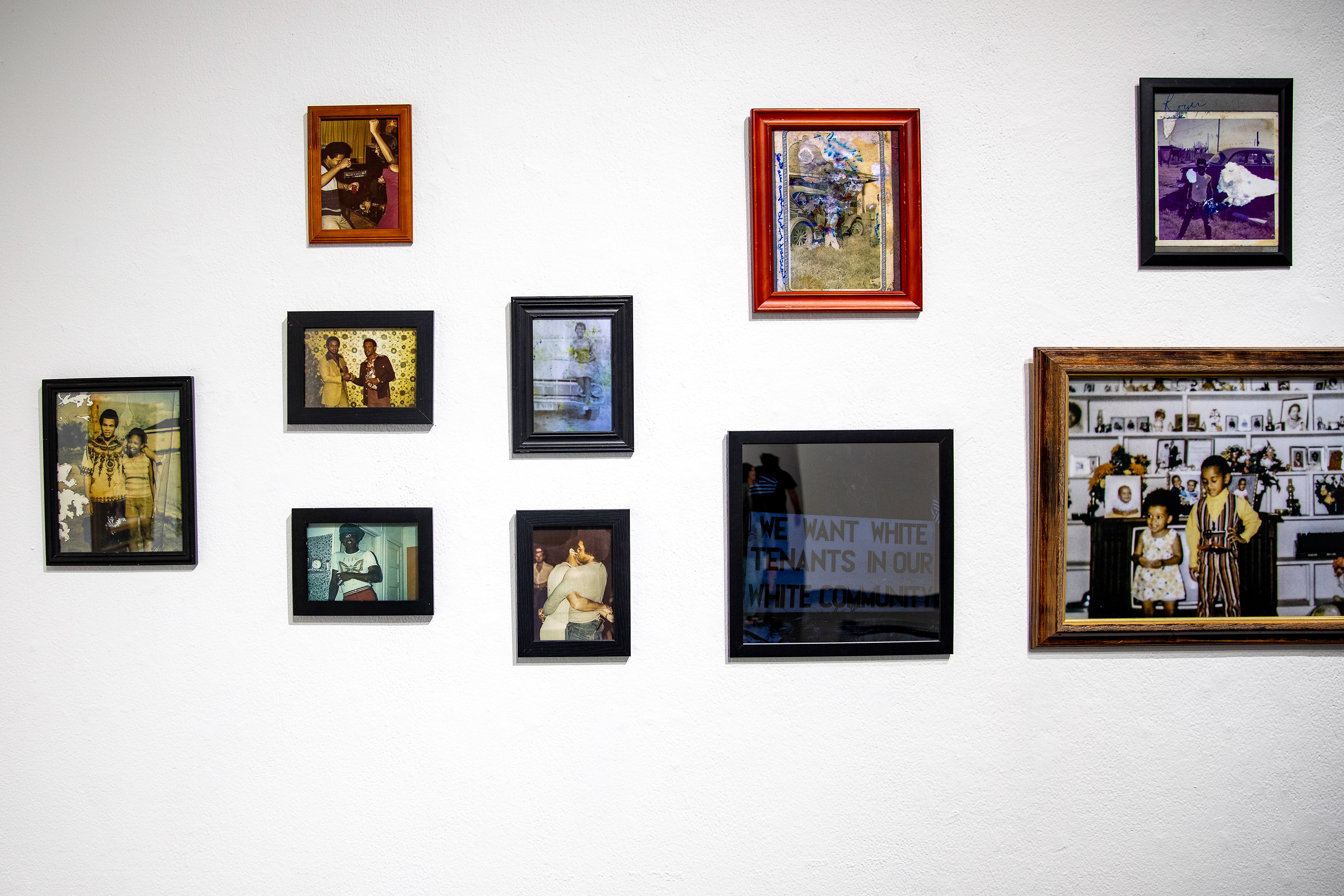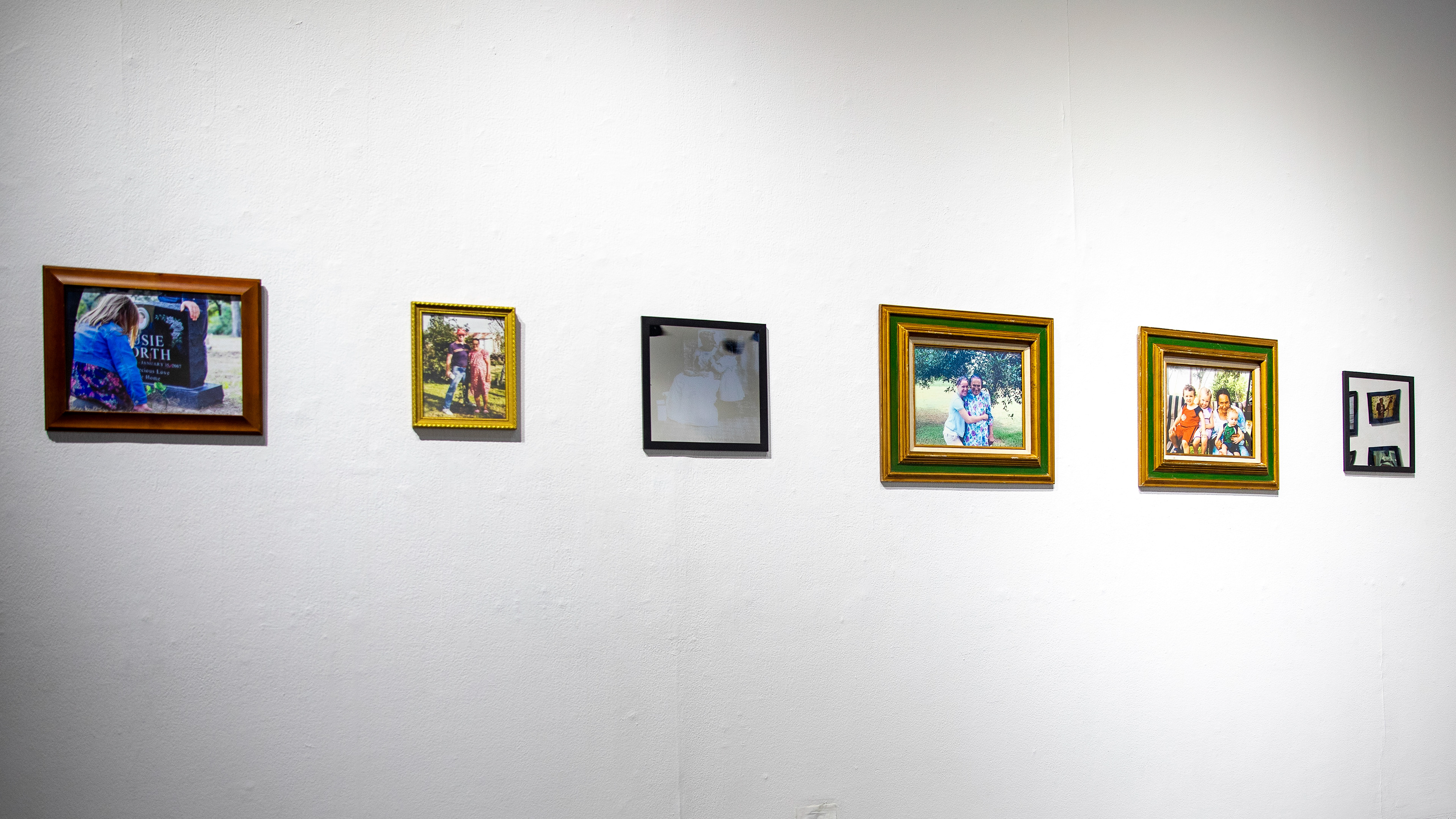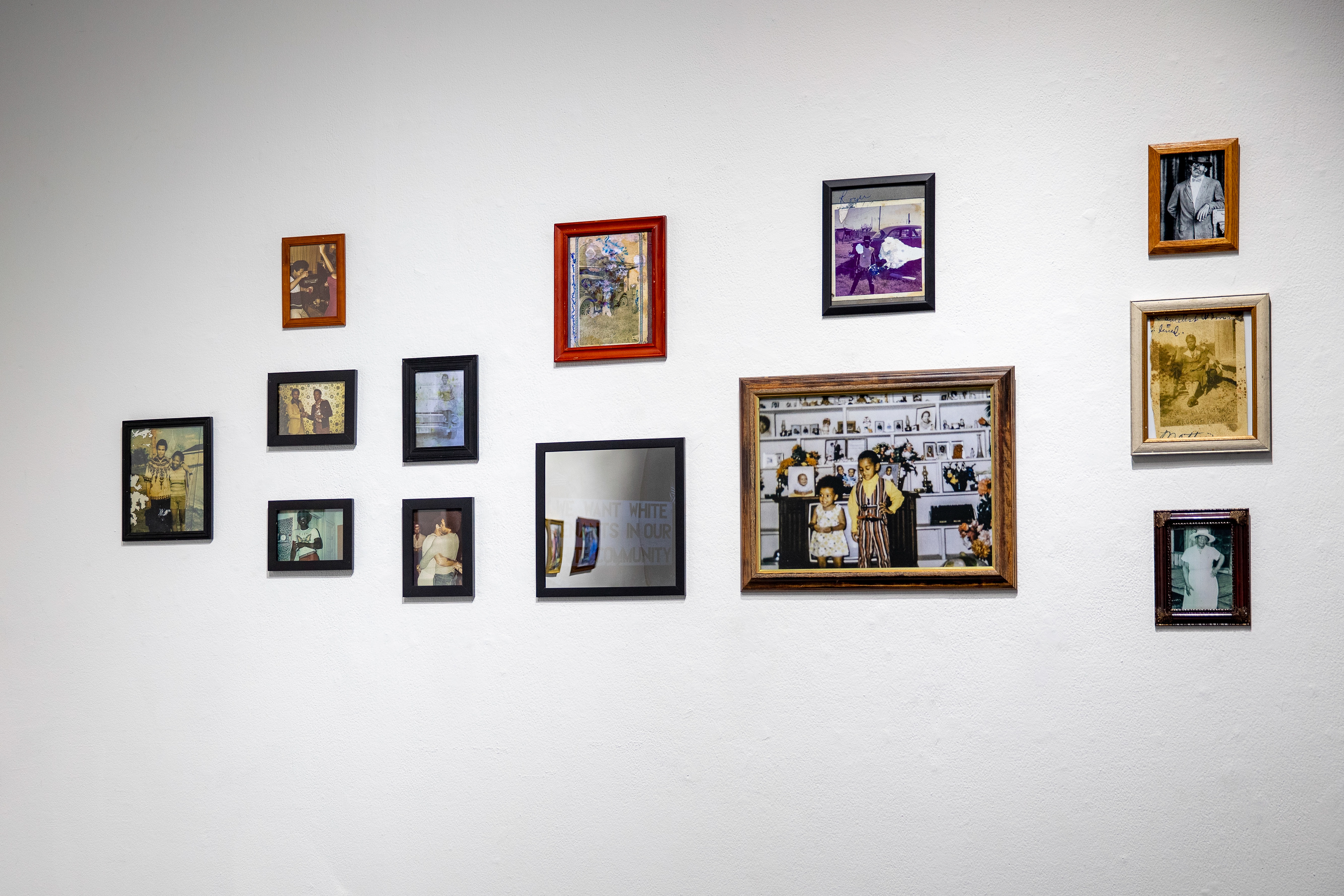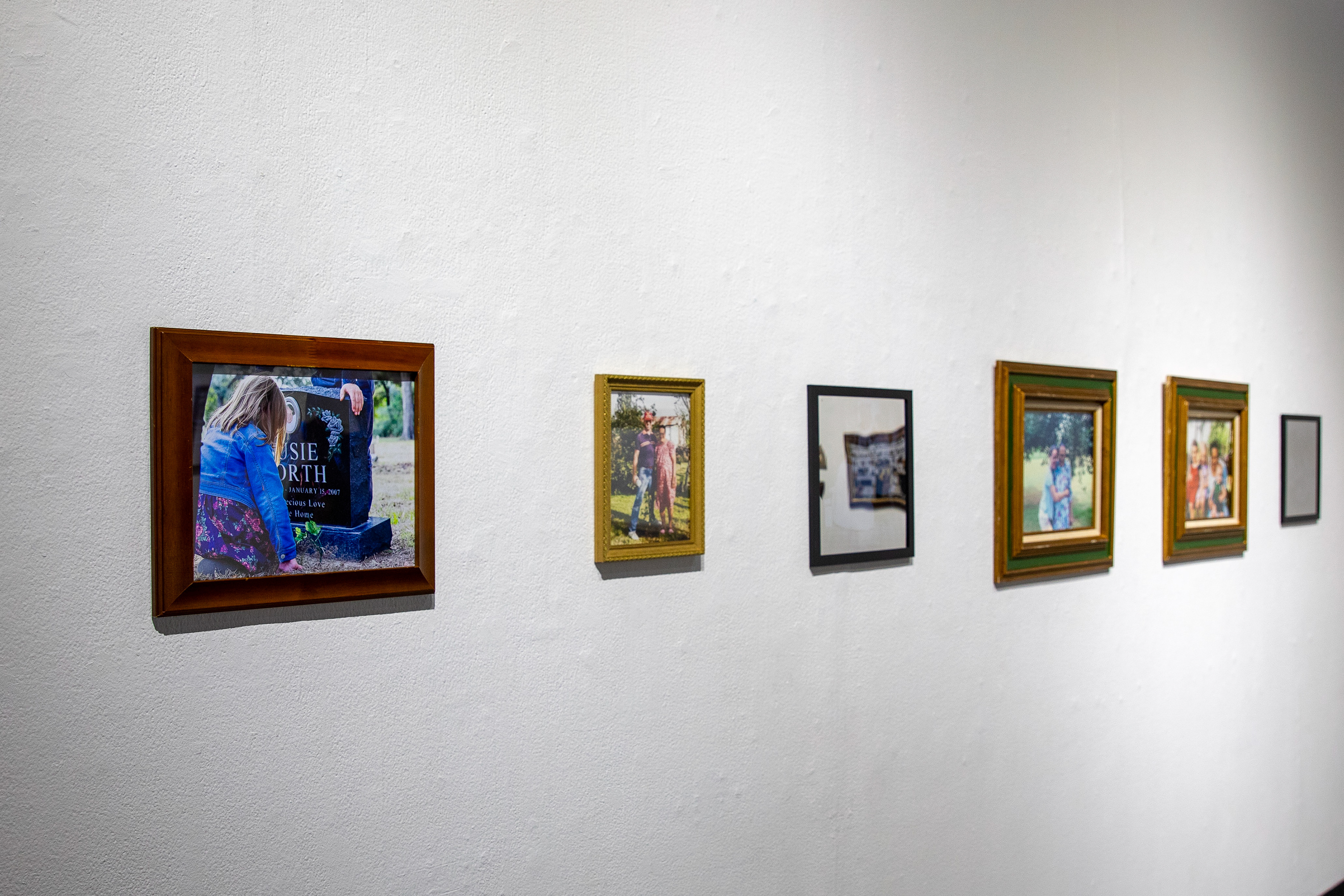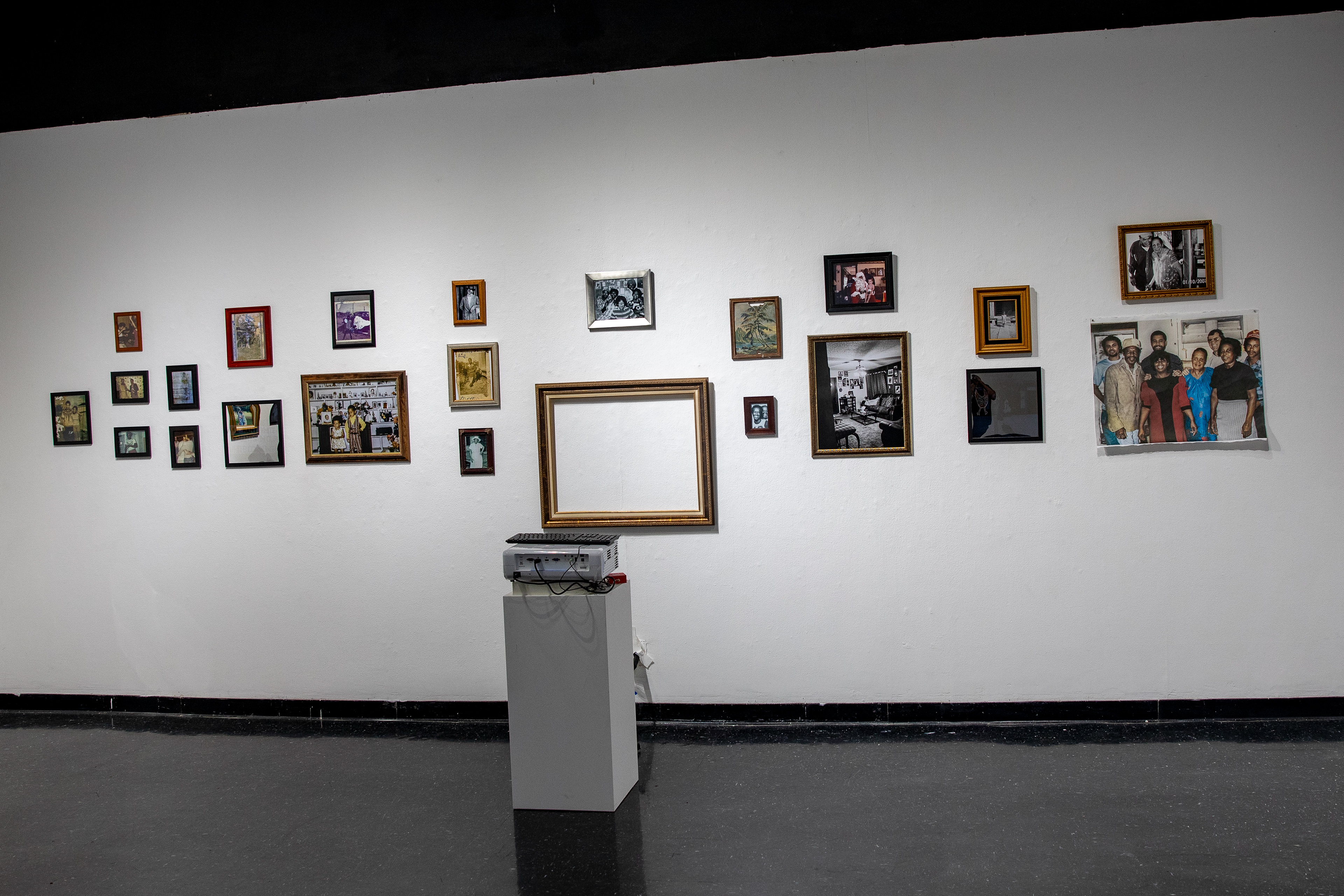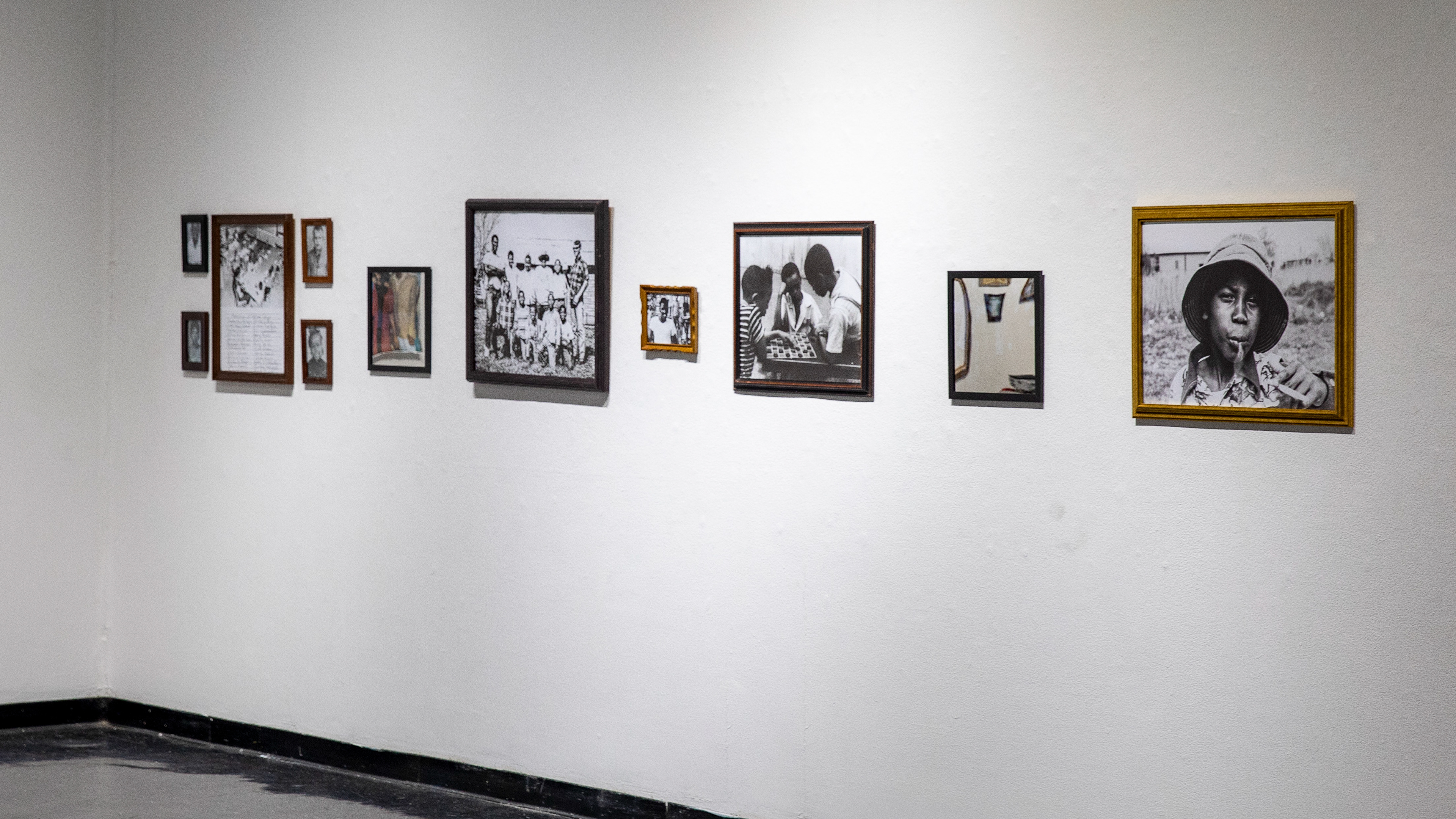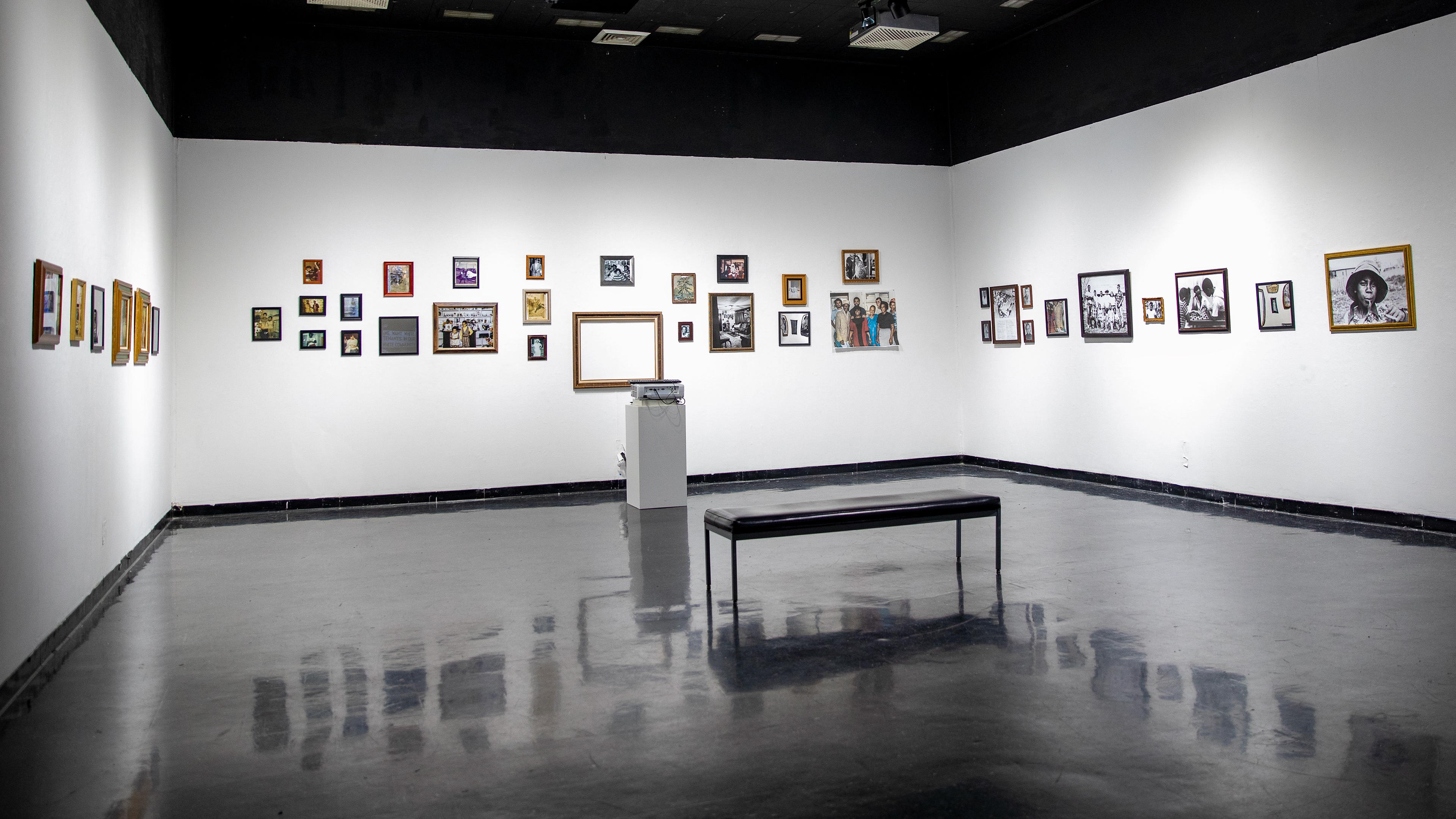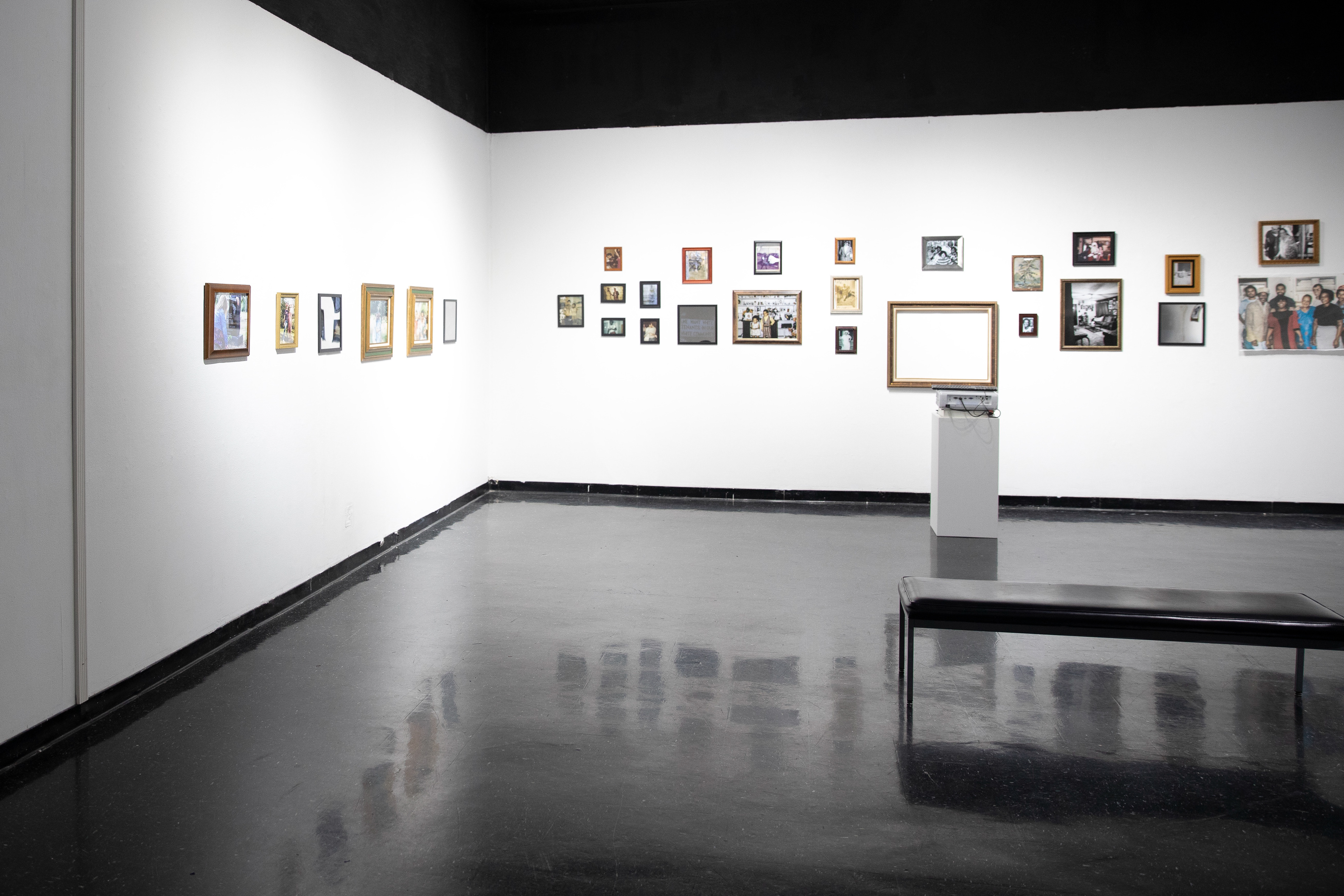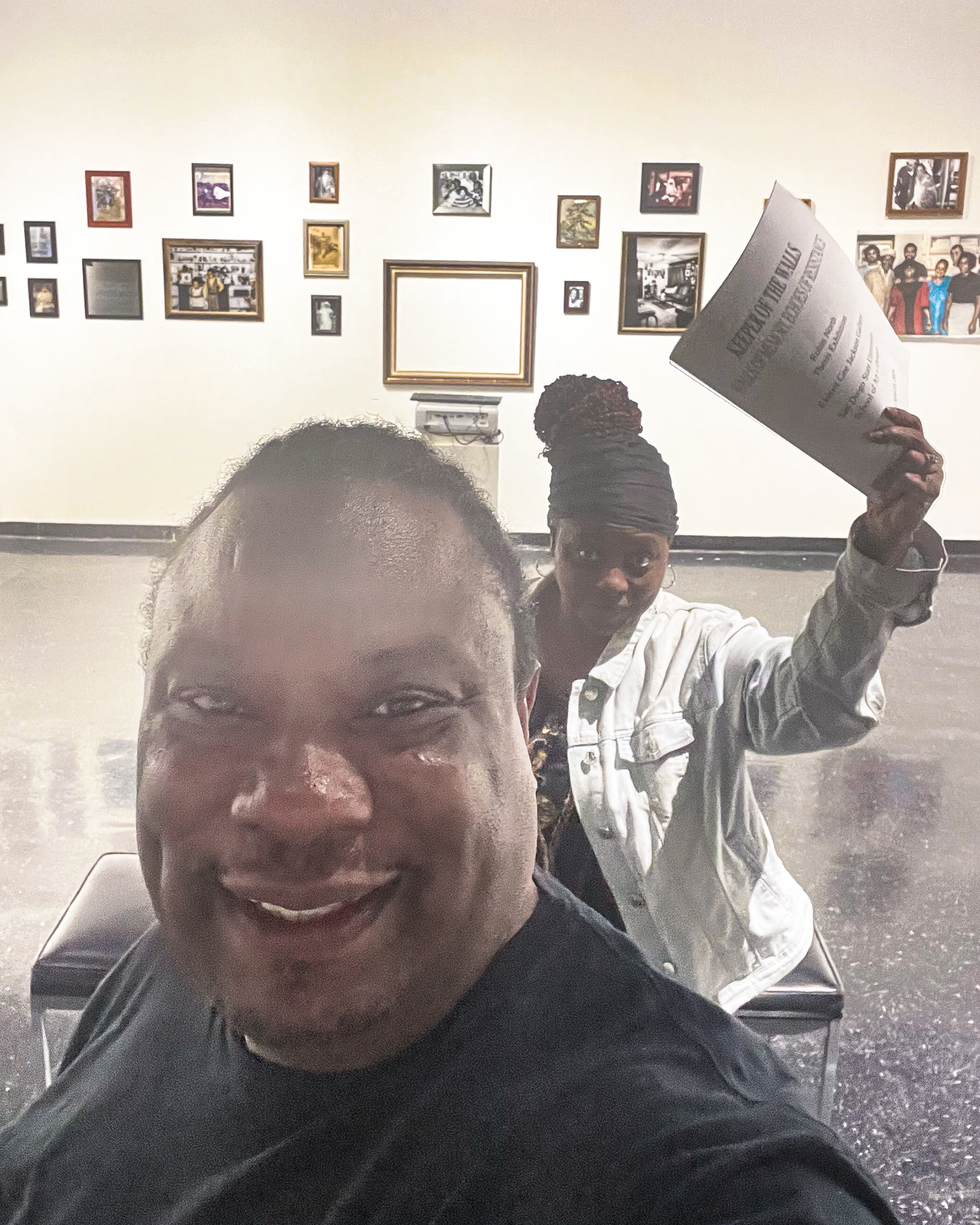
The deep cultural heritage of Black family archives in the rural Deep South often goes unnoticed and remains underrepresented in mainstream narratives, including the histories of Texas Freedom Colonies and other self-governed Black settlements formed after Emancipation. Family archives containing photographs, records, and heirlooms face loss and dispersal, which erases lived experience, place knowledge, and the material evidence of community formation, land stewardship, and kin networks. In this exhibition, Robin North challenges traditional uses of images and narratives that have historically been oppressive. His work examines how family archives in rural deep Southern homes function as sanctuaries and spaces of resistance, where images are read critically, and Black narratives are preserved and honored. By elevating the act of curating and displaying images within the home into the gallery, he reframes domestic practices as intentional aesthetic decisions that carry historical claims. This shift invites discussion about visibility, agency, and how images can sustain and challenge dominant narratives, while also pointing to Freedom Colony infrastructure such as churches, schools, and cemeteries as parallel archives of permanence and collective building.
North’s conceptual framework in Keeper of the Walls draws from bell hooks’ Art on My Mind: Visual Politics, which frames art as a site of empowerment, critical thought, and liberation, particularly for Black communities. The keeper of the walls is not only a caretaker of domestic space but a storyteller and cultural archivist, sustaining intergenerational knowledge that often remained outside institutional archives and official histories of Reconstruction and its aftermath.
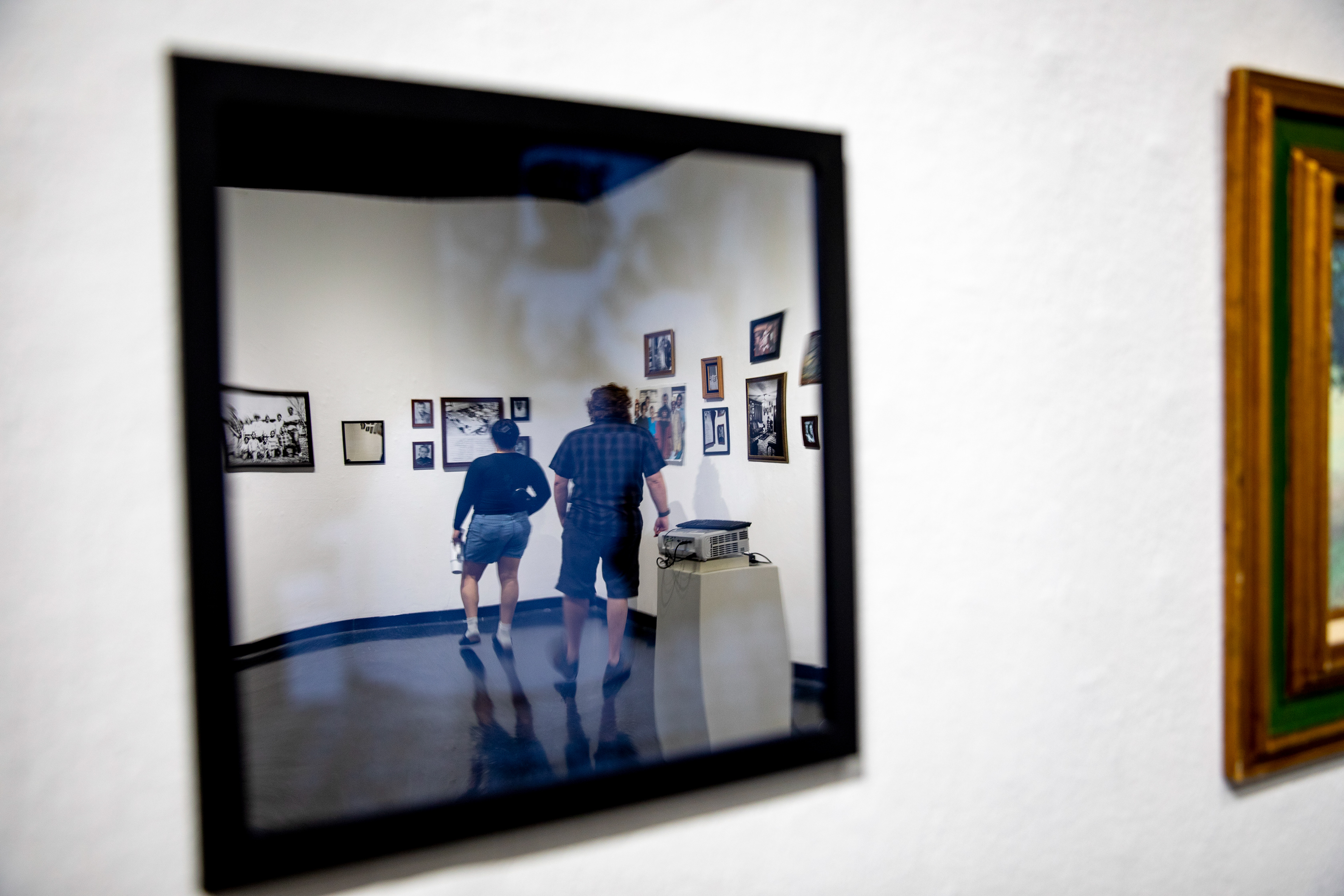
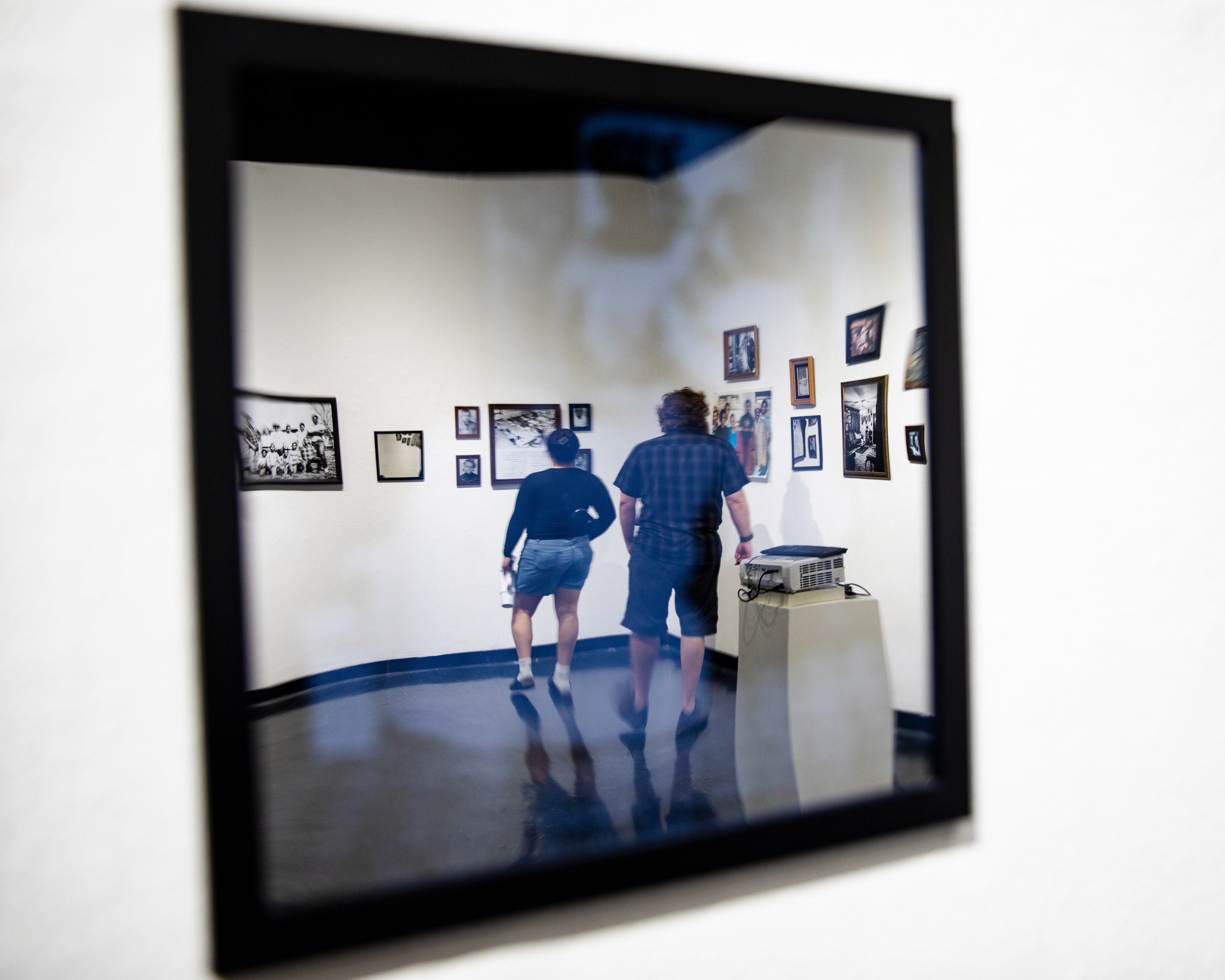
In the installation Beyond the Black Mirror, North uses transparent black two-way mirrors to create a surface that both reveals and conceals, asking viewers to confront the persistence of racist imagery and its historical roots. The work holds tension between what is shown and what is withheld, echoing how Freedom Colony histories and family archives have been made visible only in fragments, and insisting on the need for preservation led by descendants.