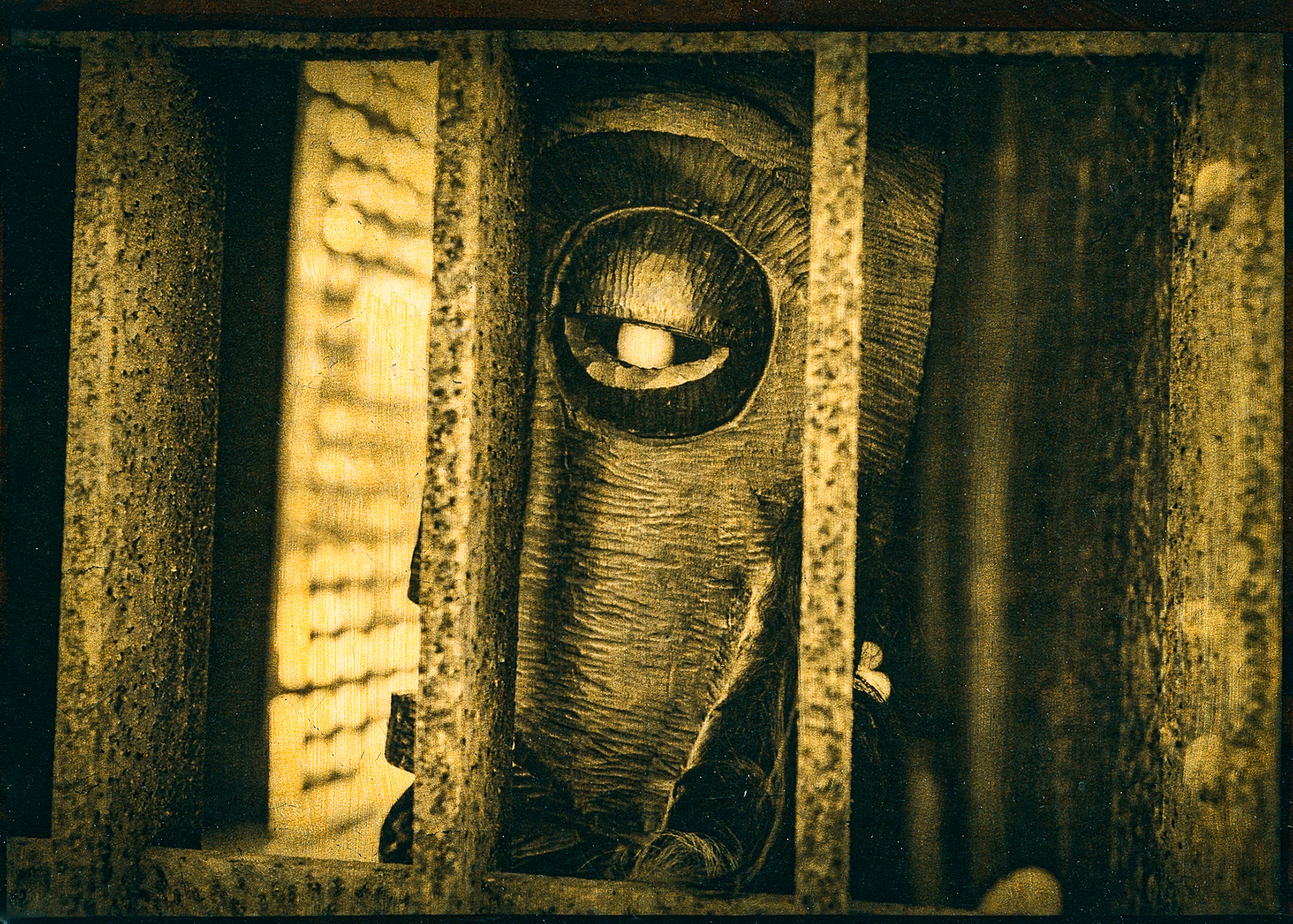
Material Vanity: Cotton, Gold, and the Burden of Modernity examines labor, value, and exploitation through macro-photographic study and expanded-image practices. The project begins with the physical form of cotton as a way to look at the economic and social structures that shaped the United States, particularly the imposed labor placed on Americans of African descent in the Deep South.
My practice combines nineteenth-century platinum-palladium printing with contemporary digital production. I print on vellum and back each print with gold leaf to study how material choices shape meaning. These nineteenth-century methods sit alongside digital macro imaging, VR360 field recording, and immersive design. This combined approach shows how historical and current tools can be used together to examine long-standing systems of labor and value.
The project extends into spatial and interactive environments using Adobe Aero and Scenery, a virtual-reality platform for building and viewing digital spaces. I use VR360 videos from cotton fields and gin sites to place viewers inside the landscapes that supported the cotton economy. The inclusion of historic and contemporary gin locations expands the understanding of Eli Whitney’s cotton gin. His invention accelerated the industry, increased demand for unpaid labor, and reshaped the South's economic course. Modern gin operations show how that industrial structure continues.
This expanded-image approach links the magnified view of cotton fibers to the broader environment in which cotton is grown and processed. It provides a clear account of the systems that built the industry and the conditions that followed.
Across these methods, the project studies how stories of prosperity are formed, who is named, and who is left out. By combining historical printmaking, digital imaging, immersive tools, and field-based research, the work offers a direct investigation into how land, labor, and racial formation continue to shape ideas of value and progress.